Tag: marketing

  • Responsive vs Adaptive Design: What’s Best for Your Business?

    Responsive vs Adaptive Design: What’s Best for Your Business?

    When you’re planning a new website for your business, you’ll probably hear the terms responsive design and adaptive design thrown around. Both have to do with how your website looks and functions across different devices — but they’re not the same thing.

    If you’re wondering which approach is better for your small business website, this post breaks down the key differences, pros and cons, and how to choose the right one for you.


    First, why does it matter?

    These days, most people visit websites on their phones. In fact, mobile traffic makes up more than half of all website visits worldwide.

    That means your site needs to look great and work smoothly — whether someone’s using a laptop, tablet, or smartphone. That’s where responsive and adaptive design come in.


    What is Responsive Design?

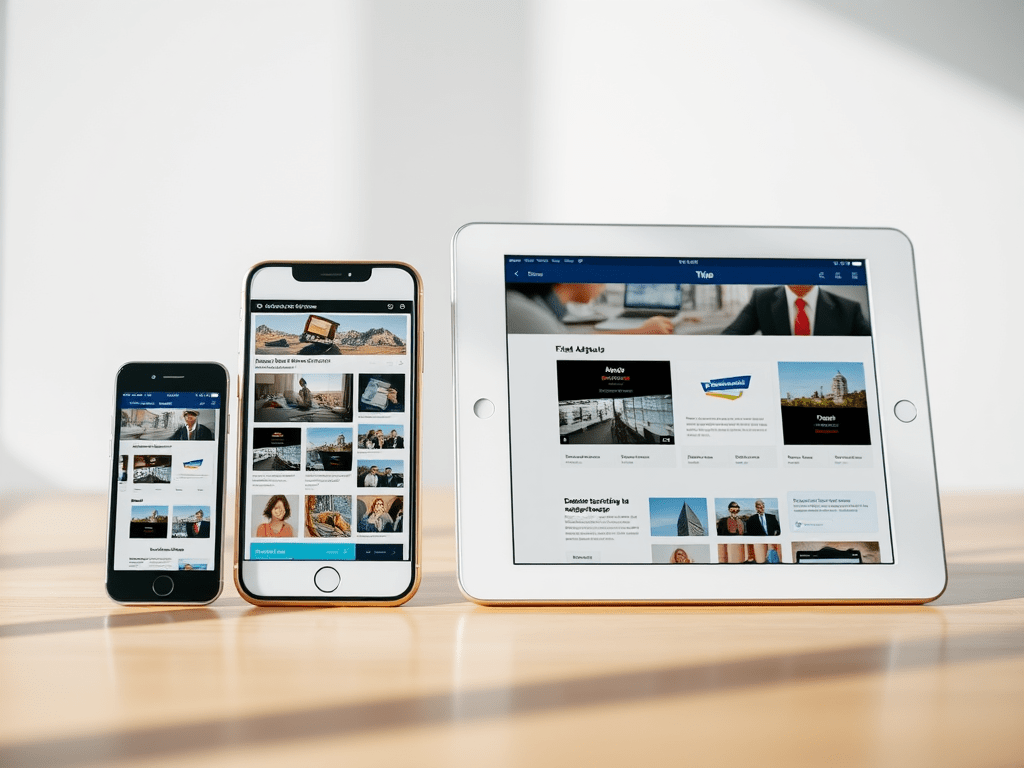
    Responsive web design uses a fluid, flexible layout that automatically adjusts to fit any screen size.

    Instead of designing multiple versions of your site, you create one layout that “responds” to the user’s device.

    In simple terms:

    Responsive design = one website that resizes and rearranges itself seamlessly.

    Benefits of Responsive Design:

    • ✅ Works on all devices (future-proof)
    • ✅ Easier to maintain — one design to manage
    • ✅ Better for SEO (Google recommends it!)
    • ✅ Creates a consistent experience for users

    When to choose it:

    If you want a website that looks polished on every screen and is easy to update, responsive design is usually the best option. It’s ideal for small businesses that want a professional, reliable, and cost-effective website.


    What is Adaptive Design?

    Adaptive web design, on the other hand, involves creating separate fixed layouts for specific screen sizes — for example, one for desktop, one for tablet, and one for mobile.

    When someone visits your website, the design “adapts” by loading the version that best fits their device.

    In simple terms:

    Adaptive design = multiple layouts that adapt to specific screen sizes.

    Benefits of Adaptive Design:

    • ⚡ Optimised for each device type
    • 🎯 Allows more control over design and performance
    • 💡 Can load faster for certain devices

    When to choose it:

    Adaptive design is often used for large, complex sites where performance and control are key. For example, e-commerce platforms or apps that need tailored layouts for different devices.


    Responsive vs. Adaptive: Which is Better for Your Business?

    Here’s a quick side-by-side comparison:

    FeatureResponsive DesignAdaptive Design
    LayoutFluid and flexibleFixed, device-specific
    MaintenanceEasy (single layout)Time-consuming (multiple versions)
    PerformanceConsistentCan be faster for certain devices
    SEOExcellent (preferred by Google)Requires extra optimisation
    CostMore affordableTypically higher upfront cost

    For most small businesses, responsive design is the clear winner.
    It’s flexible, budget-friendly, and ensures your site always looks great — no matter what device your audience is using.


    Kodo’s Take: Focus on Your Users

    At Kodo, we design responsive websites that look great and perform even better.

    Our goal is simple: to create websites that adapt beautifully to every screen, while telling your brand’s story in a way that feels authentic and engaging.

    Whether you’re refreshing an old site or starting from scratch, we’ll help you build a responsive website that connects with your audience and grows your business.


    Need a website that works everywhere?

    Let’s make it happen.
    👉 Get in touch with Kodo today to start your responsive web design project.
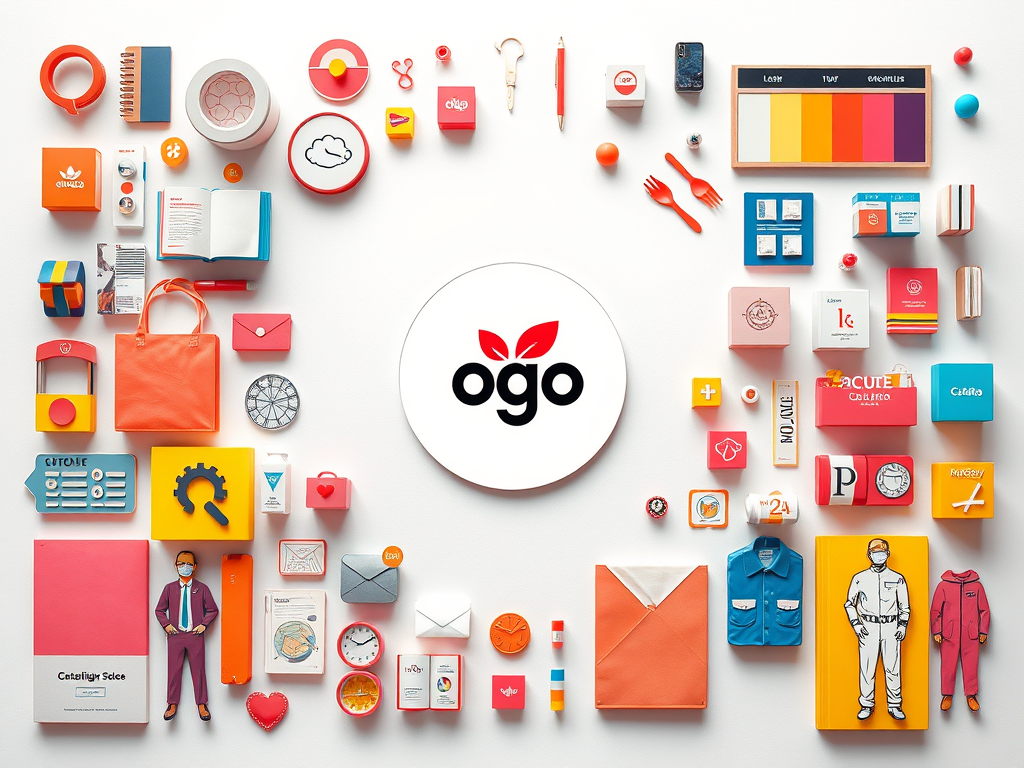
  • Logo vs Brand Identity: Why Your Business Needs More Than Just a LogoWhy a Logo Alone Isn’t Enough for Your Business

    Logo vs Brand Identity: Why Your Business Needs More Than Just a LogoWhy a Logo Alone Isn’t Enough for Your Business

    Designers—including myself—are often asked to “design a logo.” And yes, of course, I can design a logo for you. But here’s the truth: I’d much rather design an identity for you.

    Too often, people confuse a logo with the identity itself. A wordmark or symbol is created, and the assumption is that the brand is complete. Don’t get me wrong—logos are important and can absolutely do the job…for a while. But what about everything else? What about the details that make your brand memorable? The atmosphere, the feeling, the experience?

    How does a logo alone carry all of that?


    The Difference Between a Logo and a Brand Identity

    A logo is the part of branding people focus on the most, and for good reason—it’s a recognizable marker of your business. It’s what we hope people will remember, like the bitten Apple or the Nike Swoosh.

    But here’s the catch: a logo can be replicated, altered, or imitated. Think about those cheap logos on Fiverr—change a word, swap a color, and suddenly your “unique” logo isn’t so unique anymore. So, what really sets your brand apart?

    It’s everything else.


    What Brand Identity Really Looks Like (Hint: It’s More Than an “M”)

    Take McDonald’s. Chances are, you instantly pictured the Golden Arches. Maybe the bold red and yellow color palette. But what else came to mind?

    • Their fries?
    • A Big Mac or a Philly Cheese Steak burger?
    • The wood-paneled interiors paired with bright, playful accents?
    • The menu boards, the staff uniforms, even the icons for payment and drive-thru?

    That’s brand identity.

    A logo is just the starting point. A brand identity is the entire experience—both in person and online. It’s the color psychology that shapes emotions (red for affordability, yellow for playfulness). It’s the textures, typography, and design systems that create consistency across every touchpoint.

    Think about it this way: if you’re opening a restaurant, the brand doesn’t stop at the sign outside. It’s in the menu design, the napkins, the staff uniforms, the receipts, the website, even the wayfinding icons in the car park. Every little detail adds up to create an impression—positive or forgettable.


    Why Investing in Brand Identity Matters

    A logo might get you started, but a cohesive brand identity allows your business to grow, scale, and stand apart. It ensures that every interaction feels intentional, memorable, and uniquely yours.

    So yes, we can start with a logo. But together, we can build something much more powerful: a brand identity that creates connection, builds trust, and makes your business impossible to ignore.


    Ready to Build Your Brand Identity?

    If you’re ready to take your business to the next level, let’s design an identity that does more than just “look good”—let’s design one that works hard for you at every touchpoint.

    📩 Email me at info@kododesign.co.uk and let’s arrange a call.

  • Colour Psychology – What Your Brand is Subconsciously Saying to Customers

    Colour Psychology – What Your Brand is Subconsciously Saying to Customers

    When it comes to branding, colours aren’t just aesthetic choices; they are powerful psychological tools that influence how consumers perceive and interact with your brand. At Kodo, we understand the subtle yet profound impact of colour psychology on consumer behaviour. Here’s a dive into how colours can shape brand perception and decision-making.

    The Science Behind Colour Psychology

    Colour psychology examines how hues affect emotions, behaviours, and decision-making. Different colours can trigger specific feelings and associations, influencing how people react to brands and products. It’s no coincidence that many food brands use red to stimulate appetite or that tech companies favour blue to convey trust and reliability.

    The Emotional Spectrum of Colours

    • Red: Passion, excitement, urgency. Often used to grab attention (think sale signs).
    • Blue: Trust, security, calmness. Popular among finance and tech brands for conveying reliability.
    • Yellow: Optimism, warmth, clarity. Great for capturing attention and evoking cheerfulness.
    • Green: Health, tranquillity, growth. Frequently used by eco-friendly and health-focused brands.
    • Purple: Luxury, creativity, wisdom. Associated with premium products and imaginative brands.
    • Black: Sophistication, power, elegance. Common in luxury fashion and high-end products.
    • White: Simplicity, purity, cleanliness. Often used in minimalist designs and healthcare branding.

    How Colour Influences Consumer Decisions

    • Brand Recognition: Studies show colour improves brand recognition by up to 80%.
    • Emotional Connection: Colours evoke emotional responses that can build strong connections with your audience.
    • Perceived Value: The right colour palette can position your brand as premium or budget-friendly.

    Choosing the Right Colours for Your Brand

    1. Understand Your Audience: Consider the cultural and emotional associations your target market has with colours.
    2. Align with Brand Personality: Your colour scheme should reflect your brand’s values and message.
    3. Test and Adapt: Use A/B testing to see how different colour schemes perform with your audience.

    Kodo’s Approach to Colour in Design

    At Kodo, we don’t just pick colours because they look good; we strategically select palettes that resonate with your brand identity and influence your audience effectively. Our expert designers ensure that every hue, shade, and tone aligns with your brand’s goals.

    Ready to transform your brand with the power of colour? Contact Kodo today and let’s create designs that not only look stunning but also drive consumer engagement.

    Email Kodo Design and let’s get talking – info@kododesign.co.uk

  • What’s in a Brand Name? Should You Focus on SEO or a Unique Name?

    What’s in a Brand Name? Should You Focus on SEO or a Unique Name?

    What’s In A Brand Name? Should You Focus on SEO or A Unique Name?

    In the digital age, a brand name is more than just a label – it’s a pivotal element that can define your business identity and influence your audience’s perception. At Kodo Design, we understand that choosing a brand name is a crucial step for any entrepreneur or business owner. But the pressing question remains: should you prioritise SEO or opt for a unique name that stands out?

    The SEO Advantage

    Incorporating SEO strategies into your brand name can significantly enhance your website’s visibility and ranking on search engines. Using keywords that are relevant to your industry or services can drive organic traffic to your site. For instance, if you’re running a furniture business, including terms like “furniture” or “home design” in your brand name can immediately communicate your niche to potential customers.

    Moreover, a name that is optimised for search engines can improve your click-through rates (CTR) as users are more likely to click on a result that clearly aligns with their search intent. In a competitive market, this could give you a significant edge. But does this mean a boring or generic sounding name for your business? 

    The Unique Name Approach

    On the flip side, choosing a unique name can create a strong brand identity that distinguishes your business from competitors. A distinctive name can evoke curiosity and make your brand memorable. Uniqueness can also foster brand loyalty as customers tend to engage with brands that have a strong personality and narrative instead of a generic or bland sounding brand. 

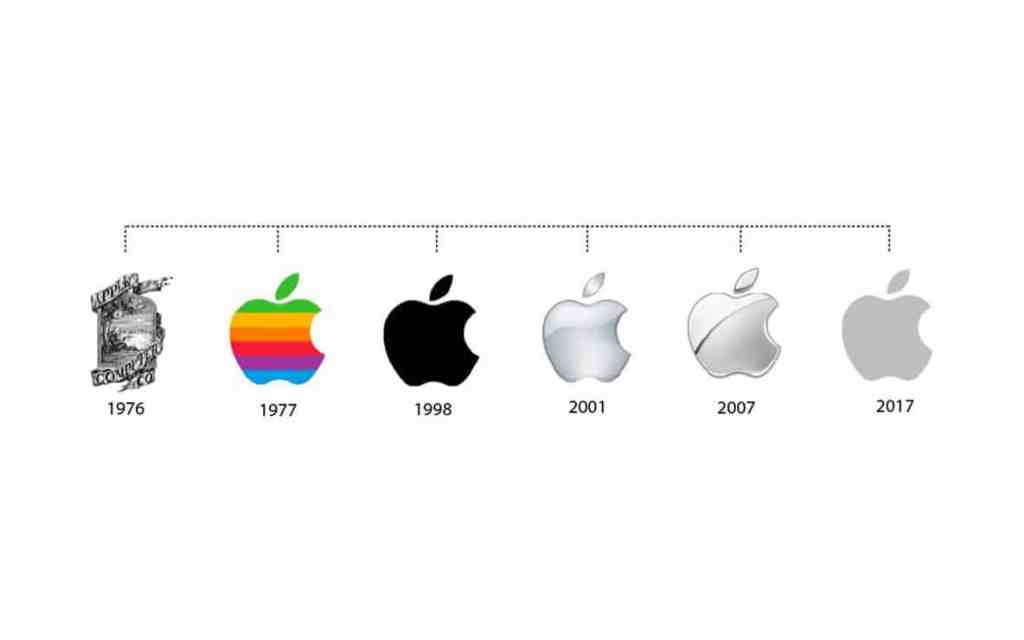
    Well-known examples include Apple and Google. These names do not inherently describe the products or services offered, yet they have become synonymous with innovation and technology due to strong branding efforts. They’re also one-word names, allowing for people to more easily remember their name. IKEA is another great example of this approach, a unique one-word name that yet again doesn’t directly describe their products or business. Rather, it’s a nod to the founder’s name and origin location (Ingvar Kamprad Elmtaryd Agunnaryd). Our own name, Kodo, doesn’t describe the graphic design and website design services we offer either. 

    However, the challenge with a unique name is ensuring it resonates with your target audience while still being searchable. It requires a strategic balance – your name should be intriguing yet intuitive enough for potential clients to find you online without too much effort.

    Above: Evolution of the Apple logo.

    Balancing SEO and Creativity

    The ideal approach is to balance SEO with creativity. Start by brainstorming names that reflect your brand’s values and mission. Then, conduct keyword research to identify terms that can seamlessly fit into your brand name without compromising its uniqueness. Your business name isn’t the be-all end-all for SEO. Your website offers a host of opportunities to work with SEO to drive leads and conversions without having an SEO focused brand name at the start. For example, using H tags and copywriting effectively, using alt wording on imagery and using a blog to drive traffic. All of these paired with a strong brand identity can create a unique brand fit for business success.

    Additionally, consider the long-term implications. A name that is too focused on current SEO trends might become obsolete as search behaviours change. Therefore, aim for a name that offers longevity and adaptability.

    Conclusion

    Ultimately, whether you lean towards SEO or a unique name, the key is ensuring your brand name aligns with your business goals and audience expectations. At Kodo Design, we believe that a well-chosen name can set the foundation for a successful brand, nurturing growth and establishing a lasting presence in the market.

    Remember, your brand name is often the first impression customers have of your business. Make it count by blending strategic SEO with the power of a unique narrative.

    Struggling to find a name for your business? Take a look at our brand identity services where we can help you discover a unique brand namer for your business and get your idea off the ground with a striking brand identity.

  • Why the Right Font Makes A World of Difference

    Why the Right Font Makes A World of Difference

    Why The Right Font Makes A World of Difference

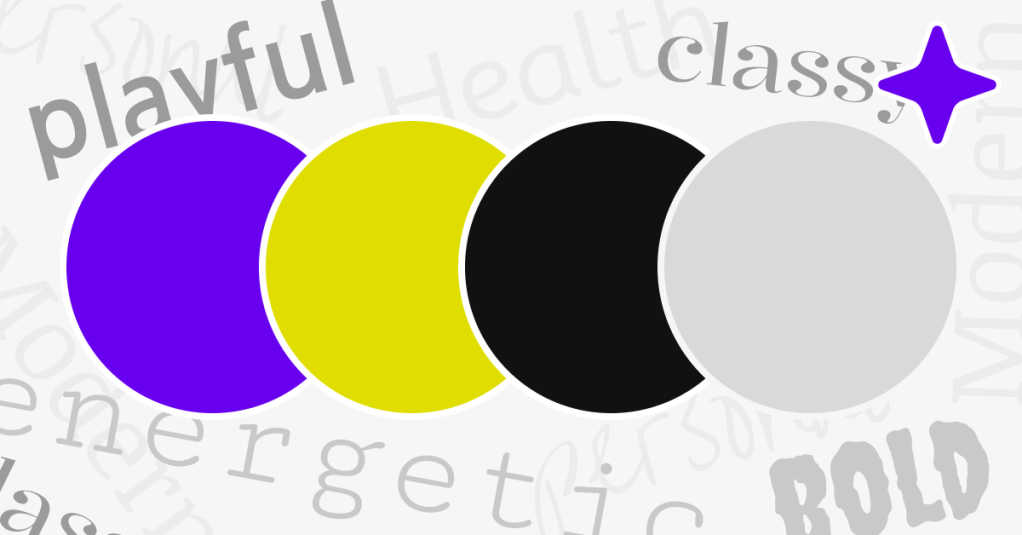
    In the world of design, the right font is as crucial as the imagery you choose or layout. It’s often said that a picture is worth a thousand words, but the right font can be equally powerful, providing the perfect visual voice for your content, setting the tone without saying anything at all. At Kodo Design, we believe that typography is a fundamental element that can make or break a design. Here’s why choosing the right font makes a world of difference.

    Fonts Set the Tone

    Fonts have personality. A serif font might convey tradition and reliability, like the pages of an esteemed newspaper. Meanwhile, a sans-serif font might suggest modernity and simplicity, perfect for tech companies or forward-thinking brands. Script fonts, with their elegant curves, could be ideal for a wedding invitation or a luxury brand. Selecting a font that aligns with your brand’s voice is essential in setting the correct tone for your audience. This isn’t to say that you can only choose one typeface for your brand. By pairing typefaces together (serif and sans-serif) you can further develop your brand identity. 

    Enhance Readability and Accessibility

    One of the primary functions of typography is to ensure readability. The right font can make text easy to read, ensuring your message is accessible to everyone. Factors like font size, spacing, and weight must be considered to enhance visibility and legibility for your audience. At Kodo Design, we always ensure our font choices prioritise accessibility, working with the WCAG Global Accessibility Guidelines, creating designs that are inclusive and user-friendly. If you’re wanting to use a more decorative typeface for your brand, when it comes to bodies of text, try only using the decorative font for headings and use a more simplistic font for the body text to ensure that the user can easily read the content whilst still communicating your brands visual style. 

    Establish Brand Identity

    Your font choice is a critical part of your brand identity. Just as colours and logos do, fonts help create a cohesive brand aesthetic. Consistent use of typography across all platforms and materials strengthens brand recognition, allowing audiences to instantly associate the font with your brand. Choosing a unique or custom font could even set your brand apart from competitors. 

    Emotional Impact

    Fonts can evoke emotions and influence how your message is perceived. A bold, heavy typeface might create feelings of strength and urgency, while a delicate, light font could convey elegance and sophistication. Selecting the right font can subtly guide consumers’ emotions and reactions, aligning them with your brand’s message. Choosing the wrong font for your brand can completely alter the messages that you’re trying to share with potential clients and customers. Think if Tiffany & Co used Comic Sans as their font! It would’t give the established and luxury vibe to the brand or its products. 

    Create Hierarchy and Structure

    Typography is vital in establishing visual hierarchy within a design, allowing for ease of navigation, understanding and reduces stumbling blocks or irritation whilst viewing/reading. Different font styles, sizes, and weights can guide the reader’s eye, helping them navigate information efficiently. By distinguishing headings, subheadings, and body text, fonts can create a clear and organised structure, enhancing comprehension and retention of information. This gives your messages much more power and impact when used effectively. 

    Conclusion

    At Kodo Design, we know that the right font choice can elevate a design, adding depth, personality, and clarity to your message. Whether you are rebranding, creating a new website, or launching a campaign, paying attention to typography can significantly impact your brand’s success. Explore the world of fonts with us, and discover how the perfect choice can make all the difference in your business. As part of our Brand Identity package, along with a logo and colour scheme, we explore the typeface possibilities that would suit your brand and your business. Contact us to see how we can help support your business and drive success. 

    By understanding the nuances of typography, you can harness the power of the right font to enhance your brand’s message and achieve your marketing goals. Let us at Kodo Design help you in crafting designs that not only speak your visual language but also resonate with your audience.