Tag: seo

  • Responsive vs Adaptive Design: What’s Best for Your Business?

    Responsive vs Adaptive Design: What’s Best for Your Business?

    When you’re planning a new website for your business, you’ll probably hear the terms responsive design and adaptive design thrown around. Both have to do with how your website looks and functions across different devices — but they’re not the same thing.

    If you’re wondering which approach is better for your small business website, this post breaks down the key differences, pros and cons, and how to choose the right one for you.


    First, why does it matter?

    These days, most people visit websites on their phones. In fact, mobile traffic makes up more than half of all website visits worldwide.

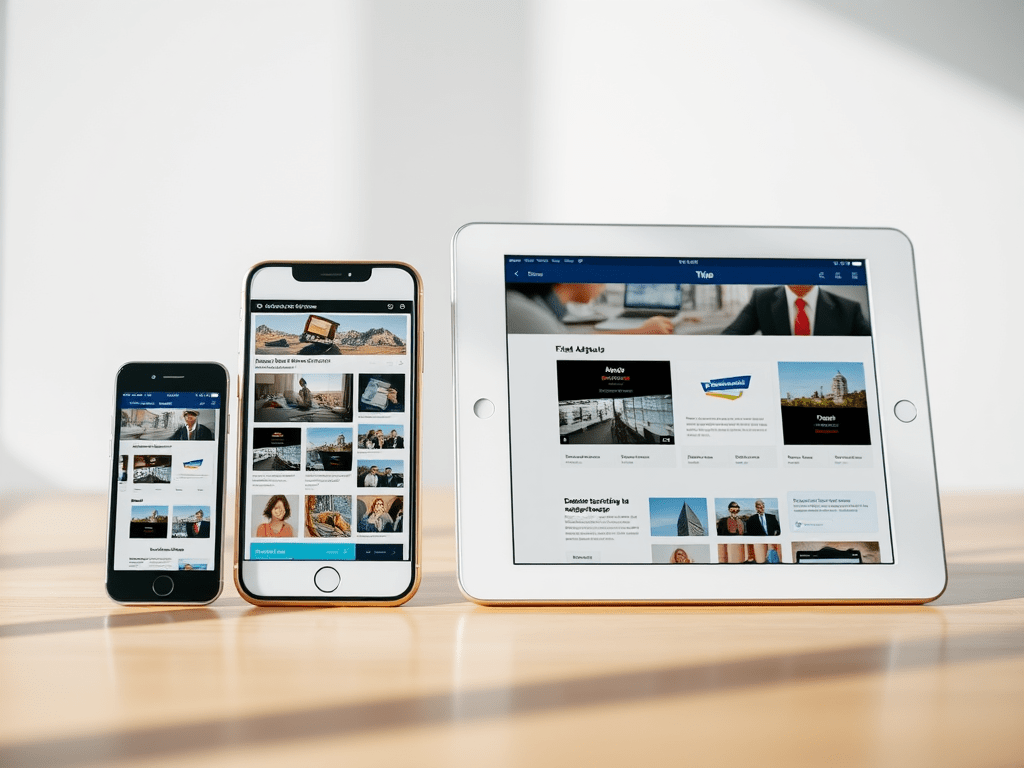
    That means your site needs to look great and work smoothly — whether someone’s using a laptop, tablet, or smartphone. That’s where responsive and adaptive design come in.


    What is Responsive Design?

    Responsive web design uses a fluid, flexible layout that automatically adjusts to fit any screen size.

    Instead of designing multiple versions of your site, you create one layout that “responds” to the user’s device.

    In simple terms:

    Responsive design = one website that resizes and rearranges itself seamlessly.

    Benefits of Responsive Design:

    • ✅ Works on all devices (future-proof)
    • ✅ Easier to maintain — one design to manage
    • ✅ Better for SEO (Google recommends it!)
    • ✅ Creates a consistent experience for users

    When to choose it:

    If you want a website that looks polished on every screen and is easy to update, responsive design is usually the best option. It’s ideal for small businesses that want a professional, reliable, and cost-effective website.


    What is Adaptive Design?

    Adaptive web design, on the other hand, involves creating separate fixed layouts for specific screen sizes — for example, one for desktop, one for tablet, and one for mobile.

    When someone visits your website, the design “adapts” by loading the version that best fits their device.

    In simple terms:

    Adaptive design = multiple layouts that adapt to specific screen sizes.

    Benefits of Adaptive Design:

    • ⚡ Optimised for each device type
    • 🎯 Allows more control over design and performance
    • 💡 Can load faster for certain devices

    When to choose it:

    Adaptive design is often used for large, complex sites where performance and control are key. For example, e-commerce platforms or apps that need tailored layouts for different devices.


    Responsive vs. Adaptive: Which is Better for Your Business?

    Here’s a quick side-by-side comparison:

    FeatureResponsive DesignAdaptive Design
    LayoutFluid and flexibleFixed, device-specific
    MaintenanceEasy (single layout)Time-consuming (multiple versions)
    PerformanceConsistentCan be faster for certain devices
    SEOExcellent (preferred by Google)Requires extra optimisation
    CostMore affordableTypically higher upfront cost

    For most small businesses, responsive design is the clear winner.
    It’s flexible, budget-friendly, and ensures your site always looks great — no matter what device your audience is using.


    Kodo’s Take: Focus on Your Users

    At Kodo, we design responsive websites that look great and perform even better.

    Our goal is simple: to create websites that adapt beautifully to every screen, while telling your brand’s story in a way that feels authentic and engaging.

    Whether you’re refreshing an old site or starting from scratch, we’ll help you build a responsive website that connects with your audience and grows your business.


    Need a website that works everywhere?

    Let’s make it happen.
    👉 Get in touch with Kodo today to start your responsive web design project.
  • What’s in a Brand Name? Should You Focus on SEO or a Unique Name?

    What’s in a Brand Name? Should You Focus on SEO or a Unique Name?

    What’s In A Brand Name? Should You Focus on SEO or A Unique Name?

    In the digital age, a brand name is more than just a label – it’s a pivotal element that can define your business identity and influence your audience’s perception. At Kodo Design, we understand that choosing a brand name is a crucial step for any entrepreneur or business owner. But the pressing question remains: should you prioritise SEO or opt for a unique name that stands out?

    The SEO Advantage

    Incorporating SEO strategies into your brand name can significantly enhance your website’s visibility and ranking on search engines. Using keywords that are relevant to your industry or services can drive organic traffic to your site. For instance, if you’re running a furniture business, including terms like “furniture” or “home design” in your brand name can immediately communicate your niche to potential customers.

    Moreover, a name that is optimised for search engines can improve your click-through rates (CTR) as users are more likely to click on a result that clearly aligns with their search intent. In a competitive market, this could give you a significant edge. But does this mean a boring or generic sounding name for your business? 

    The Unique Name Approach

    On the flip side, choosing a unique name can create a strong brand identity that distinguishes your business from competitors. A distinctive name can evoke curiosity and make your brand memorable. Uniqueness can also foster brand loyalty as customers tend to engage with brands that have a strong personality and narrative instead of a generic or bland sounding brand. 

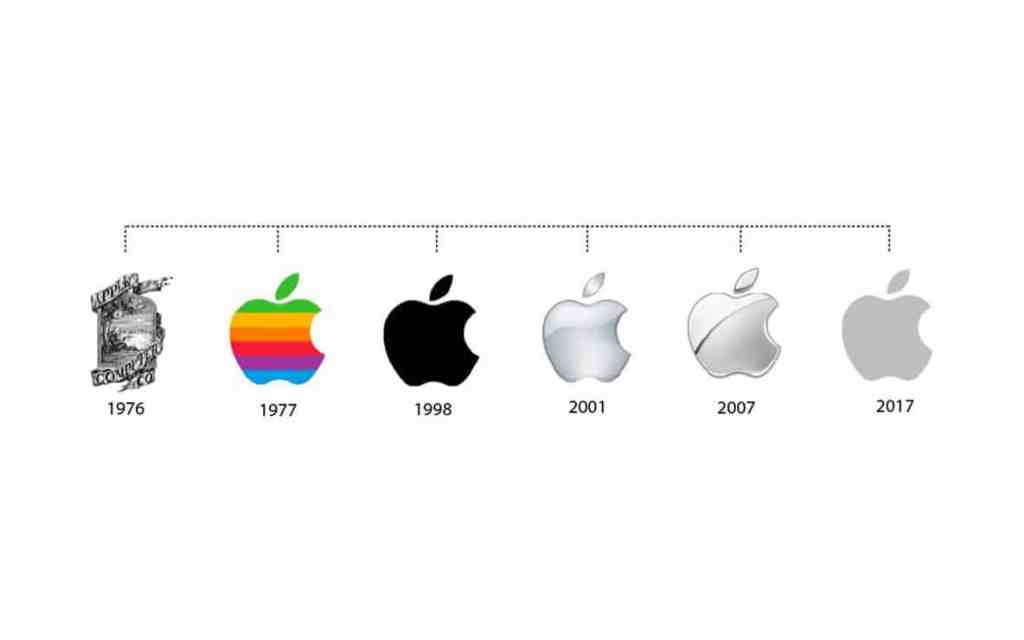
    Well-known examples include Apple and Google. These names do not inherently describe the products or services offered, yet they have become synonymous with innovation and technology due to strong branding efforts. They’re also one-word names, allowing for people to more easily remember their name. IKEA is another great example of this approach, a unique one-word name that yet again doesn’t directly describe their products or business. Rather, it’s a nod to the founder’s name and origin location (Ingvar Kamprad Elmtaryd Agunnaryd). Our own name, Kodo, doesn’t describe the graphic design and website design services we offer either. 

    However, the challenge with a unique name is ensuring it resonates with your target audience while still being searchable. It requires a strategic balance – your name should be intriguing yet intuitive enough for potential clients to find you online without too much effort.

    Above: Evolution of the Apple logo.

    Balancing SEO and Creativity

    The ideal approach is to balance SEO with creativity. Start by brainstorming names that reflect your brand’s values and mission. Then, conduct keyword research to identify terms that can seamlessly fit into your brand name without compromising its uniqueness. Your business name isn’t the be-all end-all for SEO. Your website offers a host of opportunities to work with SEO to drive leads and conversions without having an SEO focused brand name at the start. For example, using H tags and copywriting effectively, using alt wording on imagery and using a blog to drive traffic. All of these paired with a strong brand identity can create a unique brand fit for business success.

    Additionally, consider the long-term implications. A name that is too focused on current SEO trends might become obsolete as search behaviours change. Therefore, aim for a name that offers longevity and adaptability.

    Conclusion

    Ultimately, whether you lean towards SEO or a unique name, the key is ensuring your brand name aligns with your business goals and audience expectations. At Kodo Design, we believe that a well-chosen name can set the foundation for a successful brand, nurturing growth and establishing a lasting presence in the market.

    Remember, your brand name is often the first impression customers have of your business. Make it count by blending strategic SEO with the power of a unique narrative.

    Struggling to find a name for your business? Take a look at our brand identity services where we can help you discover a unique brand namer for your business and get your idea off the ground with a striking brand identity.